
Director
Chartered Patent Attorney
European Patent Attorney
UK Design Attorney
MEng Mechanical Engineering, Imperial College London
Thank you
Mark is an experienced patent attorney who brings a background as a mechanical engineer to bear in his work with a broad range of clients and technologies, and always enjoys getting to the heart of an invention and its importance to his client.
Mark has particular experience working with subject matter in the automotive, oil and gas and renewable energy industries, but has dealt with a great variety of other technologies including telecommunications and software-based inventions, agri-tech innovations and consumer devices. Complementing his work with multinational clients in these sectors, Mark also has a growing practice supporting SMEs innovating in such broad fields as food production, sensing equipment and building products, and is sensitive to the commercial challenges that these smaller clients face.
Aside from extensive drafting and prosecution of patent applications, Mark has experience in drafting EPO oppositions and appeals, preparing validity and freedom-to-operate opinions, advising on design rights, and day-to-day management of global IP portfolios.
Mark received his MEng in Mechanical Engineering from Imperial College in 2007. After that he spent five years in industry as a design engineer, including a period at a small engineering consultancy designing mechanical and software systems for bespoke medical and scientific instrumentation, followed by a spell in an on-site role in the nuclear industry.
Mark joined Keltie in 2012 and qualified as a UK and European patent attorney in 2016.
12.11.2024
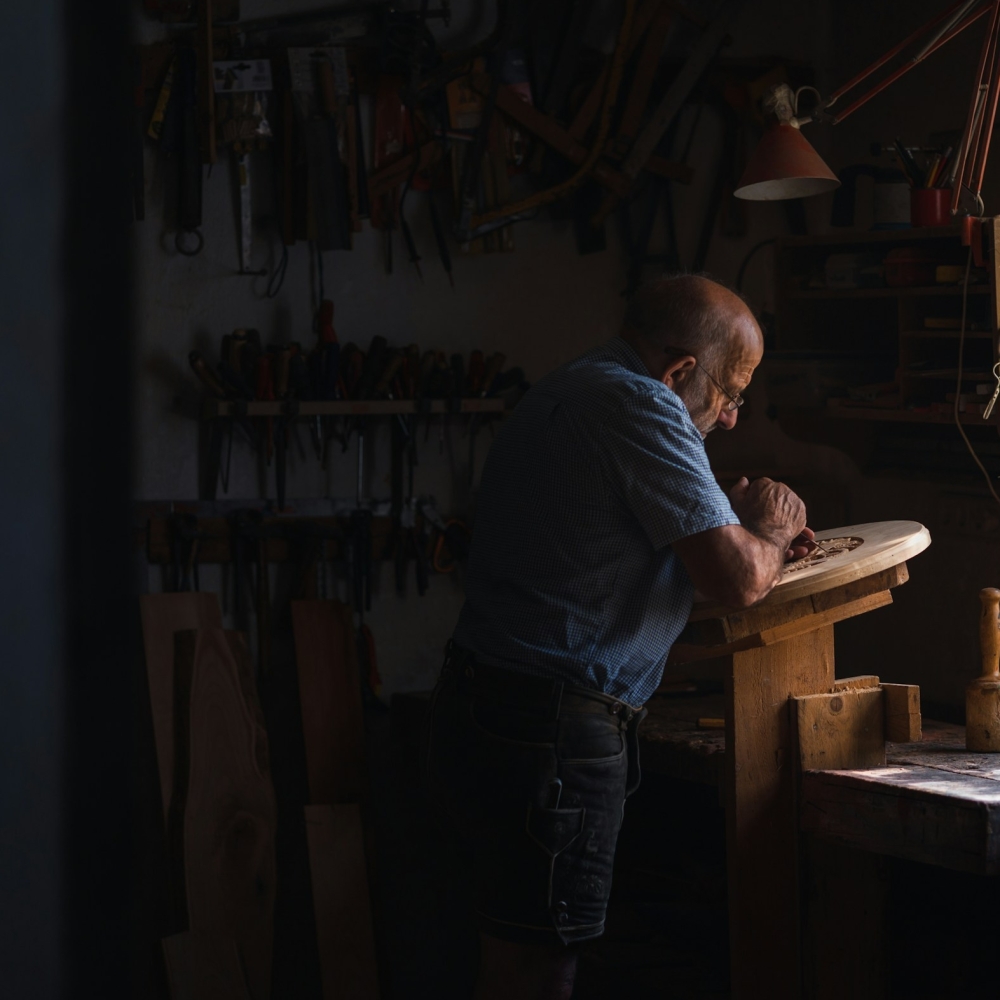
What is a work of artistic craftsmanship in UK copyright Law? Insights from WaterRower v LikingThis much-awaited Decision sees the UK's approach to copyright for 3-dimensional works diverge from that of the EU. It also provides some guidance on the criteria for a ‘work of artistic craftsmanship’ under UK copyright law, with relevance to the field of applied arts, and especially to vintage design. Keltie attorney Emily Weal explains why this decision matters, and what it means.
15.01.2026
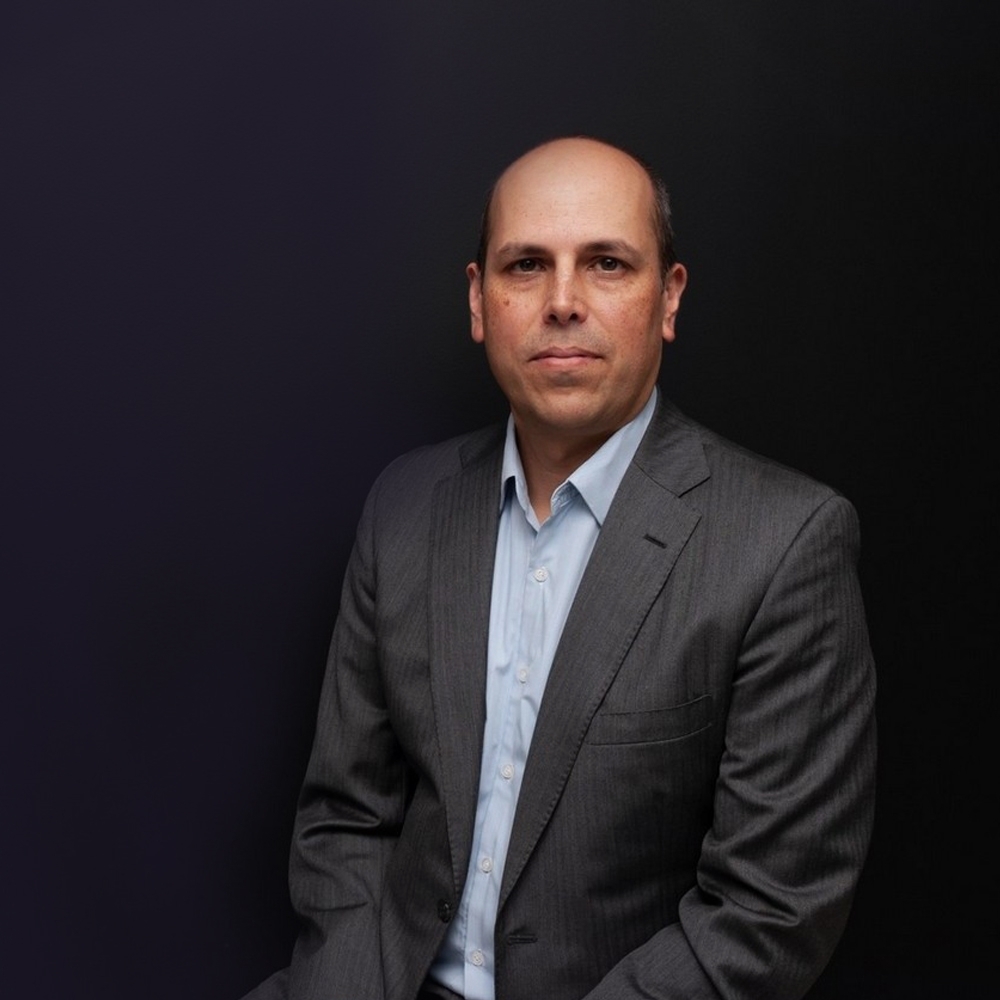
Leading the way in life sciences IP: Q&A with Devanand CreaseKeltie is again recognised among the very best in global patent practice, with Partner Devanand Crease named an IAM Global Leader for 2026. The IAM Global Leaders list highlights individuals who combine outstanding technical expertise with strategic insight and commercial awareness. This recognition reflects extensive market feedback, individual excellence, and demonstrates Keltie’s commitment to delivering tailored, business-focused IP advice that supports innovation.
13.01.2025
Protecting IP in agricultureOtherLess related knowledge
Thank you